The Science of Healing

Why hands-on work does what it does.

You deserve real explanations, not folklore. Below is a plain-language tour of the systems massage actually influences — grounded in current research and honest about what we still don't fully understand.

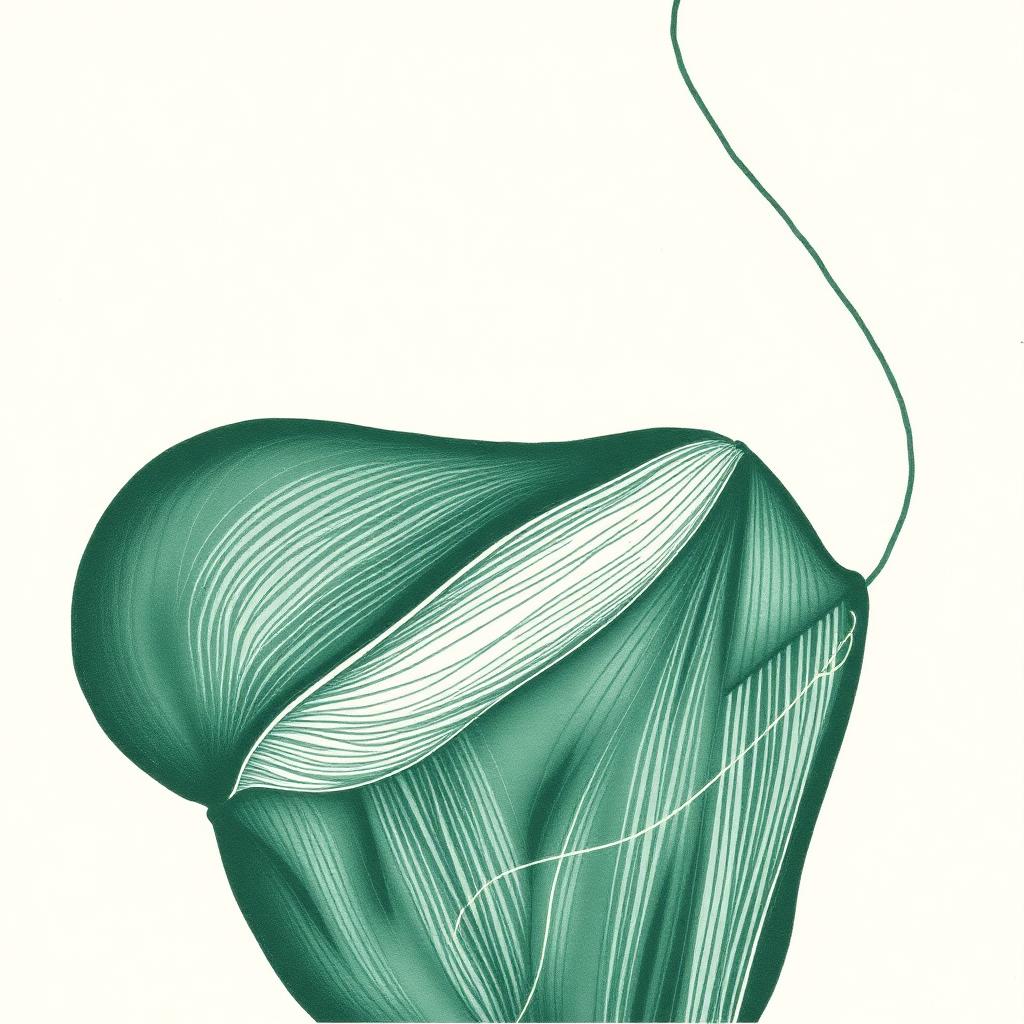
Illustration of muscle fibers and fascia

01

Fascia — the body's living fabric

Fascia is a continuous web of connective tissue that wraps every muscle, organ, nerve, and vessel. It transmits force, stores elastic energy, and shapes how you move.

When fascia becomes dehydrated, adhered, or 'stuck' after injury or repetitive load, it doesn't just feel tight — it changes how force travels through your body. Sustained hands-on pressure encourages the tissue to glide, hydrate, and remodel over time.

02

Circulation & tissue exchange

Muscle contraction depends on delivery: oxygen in, metabolic byproducts out. Skilled massage supports the mechanical pump — helping blood and lymph move through tissues that have been locked down by tension or overuse.

Post-training, this exchange is part of why sessions feel restorative. It's not magic detox; it's physiology doing its job with a little more space to work.

03

The nervous system — where pain really lives

Pain is not simply damage. It's an output your brain generates based on incoming signals plus context: sleep, stress, past injuries, expectations. That's why two people with the same MRI can have completely different symptoms.

Massage speaks directly to this system. Slow, safe, predictable input calms the threat response, reduces protective muscle guarding, and gives the brain reasons to move you out of pain patterns.

04

Motor control & proprioception

Proprioception is your body's sense of itself — where your joints are, how much tension you're carrying, how you're balanced. Chronic tightness and old injuries quietly distort this sense.

Hands-on work restores clarity in the movement map. Clients often describe feeling 'taller,' 'more even,' or 'more connected' — that's not poetic; that's your motor cortex getting cleaner signal.

05

Recovery & adaptation

Training is stress. Adaptation happens between sessions, not during them. Massage is one input among many — alongside sleep, nutrition, and progressive load — that supports the recovery you need to keep improving.

We don't claim to 'flush lactic acid' or 'break up scar tissue' — the research doesn't cleanly support those old stories. What we do claim: better ranges, calmer tissue, and a body that shows up for tomorrow's session.

A note on evidence

"Massage isn't a cure-all, and anyone who tells you it is should be treated with the same skepticism as any other health claim. What it is — done well — is a powerful, safe, low-tech tool for helping human bodies feel and function better."